Architect vs. Design-Build Firm: Custom Homes in St. Louis
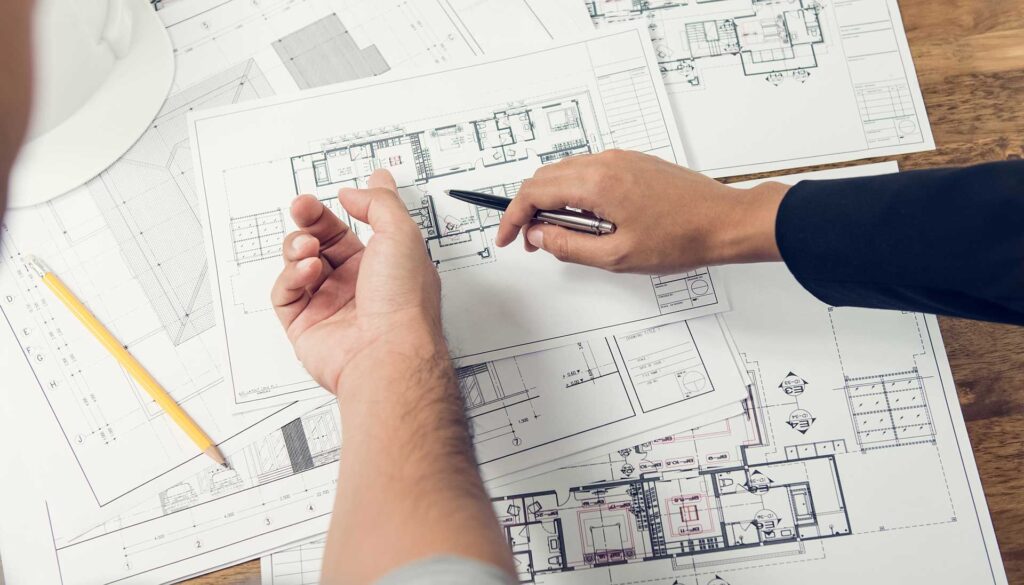
Building a custom home is one of the most significant investments you’ll make, and one of the first decisions is choosing the right team to bring your vision to life.
Should you hire an independent architect to design your home and then select a builder? Or should you work with a design-build firm that handles both services under one roof?
When comparing an architect vs. design-build firm, you’ll likely hear arguments about cost, convenience, communication, and control. Design-build firms often emphasize streamlined project management and early budget alignment, while independent architects offer a different advantage: a design professional who represents your interests throughout the process.
Both approaches can produce exceptional homes. The right choice depends on your priorities, the complexity of your project, and how much flexibility you want along the way.
At Mitchell Wall Architecture & Design, we’ve helped St. Louis homeowners navigate the custom home design and construction process for decades. Here’s what you should understand before deciding which approach is right for you.
What’s the Difference Between an Architect and a Design-Build Firm?
The primary difference between an architect and a design-build firm is how the design and construction services are organized.
Working With an Independent Architect
When you hire an independent architect, you’re engaging a professional whose primary responsibility is designing your home and representing your interests within the agreed scope of services.
Your architect works with you to understand your lifestyle, architectural preferences, property, and budget before developing a custom design.
Depending on the services you select, your architect may also:
- Evaluate your property and its development opportunities.
- Create custom floor plans and exterior designs.
- Coordinate structural engineering and other consultants.
- Prepare construction documents for bidding and permitting.
- Help you evaluate and select qualified builders.
- Review construction proposals and clarify differences in pricing.
- Provide construction-phase services to help protect the design intent.
One important advantage is that you aren’t necessarily committed to a particular builder when the design process begins.
At Mitchell Wall, we can assist clients with bidding and negotiations, review contractor payment requests, and provide construction-phase representation. This means our involvement doesn’t have to end when the drawings are complete.
Working With a Design-Build Firm
A design-build firm provides design and construction services through one contracting organization.
Rather than hiring an architect and builder separately, the homeowner typically works with a company that coordinates both functions.
Potential advantages include:
- One primary contract and point of contact.
- Early involvement from construction professionals.
- Integrated design and construction planning.
- A coordinated process for estimating and scheduling.
- Fewer separate professional relationships for the homeowner to manage.
These benefits can be appealing, particularly for homeowners who prioritize convenience and want one company responsible for coordinating the project.
However, not every design-build firm operates the same way. Some employ licensed architects, while others work with outside architects or residential designers. It’s important to understand who will actually design your home, their qualifications, and how much flexibility you’ll have throughout the process.
Does Design-Build Offer Better Budget Alignment?
One of the most common arguments in favor of design-build is that involving the builder early helps keep the design aligned with the construction budget.
And there’s merit to that argument.
When construction professionals participate during design, they can provide input on materials, construction methods, scheduling, and anticipated costs before plans are finalized.
But early budget alignment isn’t exclusive to design-build firms.
An independent architect can also collaborate with builders, estimators, and other construction professionals during the design process to evaluate costs and adjust plans as necessary.
The difference is how that collaboration is structured.
With an independent architect, you can seek construction input without necessarily committing to a single builder from the beginning. This can allow you to compare approaches, evaluate pricing, and make design decisions before entering into a construction agreement.
For example, if an initial estimate exceeds your budget, your architect can help evaluate alternatives while considering their impact on the home’s functionality, appearance, and long-term value.
It’s also important to remember that early estimates aren’t guarantees. Final construction costs depend on factors such as materials, labor, site conditions, selections, and the terms of your construction contract.
The most important question isn’t which approach promises better budget control. It’s how your team will establish a realistic budget, evaluate costs throughout design, and respond when estimates change.
For more insight, read our blog, How Residential Architects Help Avoid Costly Mistakes.
Is Having a Single Point of Contact Really Better?
Another major selling point of design-build is convenience. With one company managing design and construction, homeowners may have fewer people to coordinate and one primary point of accountability.
For busy homeowners, that’s an understandable advantage.
But hiring an independent architect doesn’t automatically mean you’re responsible for managing every conversation between the architect, builder, engineers, and other professionals.
Depending on the services provided, an architect can serve as a central design resource and your representative throughout construction.
At Mitchell Wall Architecture & Design, we work with builders and consultants to coordinate the design and address questions as a project progresses. During construction, our services can include site visits, meetings, and reviewing contractor payment requests.
This gives homeowners the benefit of professional coordination while maintaining a separate architectural perspective. There is also an important distinction between convenience and independent representation.
When design and construction are provided by the same company, both functions operate within the same contractual organization. That can improve coordination, but it also means the design team and construction team may share business interests.
An independent architect works under a separate agreement with the homeowner and can provide an additional perspective when evaluating construction decisions, proposed substitutions, or changes that may affect the original design.
Neither arrangement automatically guarantees better communication. What matters is having clearly defined responsibilities, regular communication, and a team committed to the homeowner’s goals.
Design-Build vs. Architect Cost: Which Is More Affordable?
If you’re researching design-build vs. architect cost, you may be wondering whether hiring an independent architect adds an unnecessary expense.
The answer isn’t as simple as comparing one contract to two.
With a traditional architect-led approach, architectural services and construction services are generally contracted separately. With design-build, both may be included within one overall agreement, although design fees and preconstruction services may still be identified separately.
Neither approach is inherently less expensive.
The total cost depends on several factors, including:
- The size and complexity of the home.
- The level of architectural customization.
- Site conditions and engineering requirements.
- Materials, finishes, and construction methods.
- The scope of design and construction services.
- Contractor pricing, allowances, and contingencies.
- Changes made during the project.
An independent architect’s fee should be evaluated in the context of the services and value provided, rather than viewed only as an additional line item.
For example, carefully developed plans can help builders understand the project more consistently, potentially reducing ambiguity in their proposals. When multiple qualified builders price the same documents, homeowners may also gain a clearer understanding of the competitive construction market.
However, comparing bids is only meaningful when the scope, specifications, allowances, and exclusions are comparable.
Likewise, a design-build firm may offer efficiencies through early collaboration and integrated project management, but those efficiencies don’t automatically translate into the lowest overall cost.
When evaluating proposals, ask for a clear breakdown of what’s included, how construction costs will be established, and how changes will be handled.
The lowest initial price isn’t necessarily the best value, especially when you’re building a home intended to last for generations.
Should I Hire an Architect or a Contractor First?
For homeowners planning a fully custom home, we generally recommend involving an architect early, ideally before finalizing the property purchase or making major design decisions.
An architect can help you understand the opportunities and limitations of your property, establish design priorities, and explore how your home might function before construction decisions begin to narrow your options.
This is especially valuable when you’re working with:
- A challenging or sloping lot.
- An established St. Louis neighborhood with architectural guidelines.
- A property requiring significant site planning.
- A complex custom home with unique architectural features.
- A major renovation or addition to an existing residence.
- A home requiring extensive coordination between architecture and interior design.
That doesn’t mean a builder should be excluded from early conversations.
In fact, bringing a qualified builder or cost estimator into the process during design can be extremely beneficial.
The ideal sequence depends on the project, but for a highly customized home, establishing your architectural goals before committing to a specific construction approach can preserve more flexibility.
If you’re still deciding whether professional architectural services are necessary, explore our article, Do I Need an Architect to Build a House?
Which Approach Offers More Design Flexibility?
Both independent architects and design-build firms can create custom homes. The difference isn’t simply that one offers customization and the other doesn’t.
Instead, consider how the design process is organized and what happens when your vision requires something outside the ordinary.
An independent architect can develop a design around your property, lifestyle, and aesthetic preferences without necessarily being tied to one builder’s preferred construction methods or standard offerings.
This flexibility can be particularly valuable for distinctive residential architecture, where proportions, materials, spatial relationships, and architectural details are central to the finished result.
A design-build firm may offer similar flexibility, especially when it employs experienced architects and specializes in highly customized projects.
Before choosing either approach, ask to see completed homes that reflect the level of design you’re seeking. Discuss how unusual architectural features are handled, who makes design decisions, and whether you can request alternatives if the initial direction doesn’t meet your expectations.
For more on personalized residential design, read Stock vs. Custom House Plans: Finding What Fits Your Vision.
What Should St. Louis Homeowners Consider?
Building a custom home in St. Louis comes with considerations that may influence your decision.
Depending on your property, you may need to navigate municipal zoning requirements, neighborhood architectural restrictions, setbacks, grading challenges, stormwater requirements, or existing site conditions.
These requirements can vary considerably between St. Louis City, St. Louis County municipalities, and surrounding communities.
For example, building a custom home in an established neighborhood such as Ladue, Frontenac, or Town and Country may involve different site conditions and approval requirements than constructing a home on a larger rural property.
An experienced residential architect can help evaluate these factors and coordinate the design with applicable requirements and the appropriate consultants. The goal is to create a home that not only reflects your vision but also responds thoughtfully to its location.
Architect vs. Design-Build Firm: Which Is Right for Your Custom Home?
Ultimately, there’s no universal answer.
A design-build firm may be a good fit if you prefer a single contracting organization, value an integrated process, and feel confident in the firm’s design capabilities and construction approach.
Hiring an independent architect may be particularly appealing if you want:
- A design developed around your specific vision and property.
- Flexibility to evaluate and select your builder.
- The opportunity to compare construction proposals.
- Independent architectural representation during construction.
- A highly customized home with carefully considered architectural details.
- A design professional who can help evaluate decisions throughout the project.
Whichever approach you choose, ask about the team’s experience, communication process, scope of services, pricing structure, and responsibilities during construction.
Most importantly, choose professionals who listen to your goals and can demonstrate how they’ll translate those goals into a home that works for you.
Design Your Custom Home With Mitchell Wall Architecture & Design
Your custom home should be more than a beautiful collection of rooms. It should reflect how you live, what you value, and the architectural character you want to create.
At Mitchell Wall Architecture & Design, our approach begins with understanding your vision and developing a thoughtful design around your lifestyle, property, and priorities.
As experienced custom home architects in St. Louis, we guide clients through architectural design, construction documentation, builder selection, and construction-phase services based on their individual needs.
We believe that exceptional homes are the result of collaboration, attention to detail, and a commitment to thoughtful design from the very beginning.
Planning a custom home in St. Louis? Contact Mitchell Wall Architecture & Design to discuss your vision and learn how our team can help bring it to life.