Do I Need an Architect to Build a House?
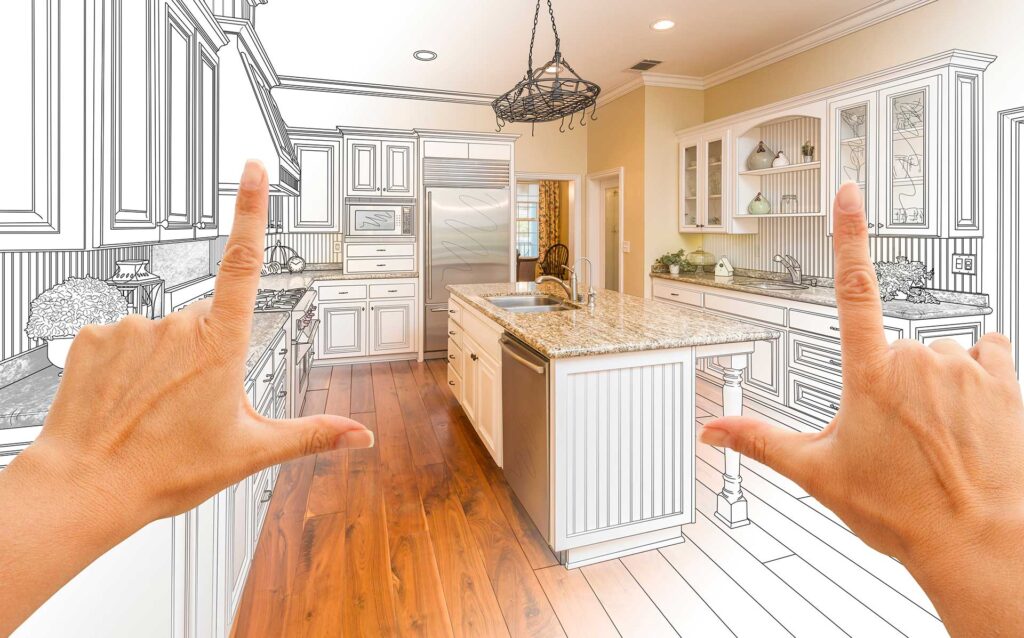
Building a home is an exciting opportunity to create a space that reflects your lifestyle, priorities, and personal style. But before you start choosing floor plans, exploring finishes, or searching for the perfect piece of property, you may have an important question: Do I need an architect to build a house?
The answer depends on where you plan to build, the complexity of your project, and your goals for the finished home. In many cases, an architect may not be legally required, but working with one can make a significant difference in how your home looks, functions, and comes together.
At Mitchell Wall Architecture & Design, we believe great residential design starts with understanding how you want to live. Here’s what to know about hiring an architect for a new home, renovation, or addition.
Is an Architect Required to Build a House?
In some locations, homeowners can build a house without hiring an architect. Whether an architect is legally required depends on state and local regulations, the type of structure, and the scope of the project.
Building codes, zoning ordinances, and permit requirements can vary significantly between municipalities. Some jurisdictions may allow certain residential projects to proceed using other qualified professionals or predesigned plans, while others require architectural or engineered documents for specific projects.
Before moving forward, check with your local building department to understand which professionals and documents your project requires.
However, there’s an important distinction between what is legally required and what is beneficial for your project.
Even when an architect isn’t required by law, professional architectural design can help you make better decisions, solve problems before construction begins, and create a home tailored to your needs.
Do You Need an Architect to Design a House?
You may not need an architect to design every type of home, but an architect can bring considerable value to a custom home project.
A house is more than a collection of rooms. Its design determines how you move through the space, how natural light enters the home, how indoor and outdoor areas connect, and how well the layout supports your daily routines.
An architect considers these elements together rather than treating each decision independently.
Here are several ways an architect can help you get more from your investment.
1. Create a Home Designed Around Your Lifestyle
Pre-designed house plans can be a useful starting point, but they may not account for your family’s specific needs, preferences, or property.
An architect works with you to understand how you live and what you want your home to accomplish. That might mean creating an open kitchen and entertaining area, designing a private primary suite, accommodating multigenerational living, or incorporating dedicated spaces for work, hobbies, and relaxation.
The goal is to create a home that feels intentional, functional, and distinctly yours.
Not sure whether a predesigned plan or a fully customized approach is right for you? Read our recent blog, Stock vs. Custom House Plans: Finding What Fits Your Vision.
2. Make the Most of Your Property
The property you choose plays a significant role in your home’s design.
Sloping terrain, mature trees, neighboring structures, views, sunlight, drainage, and local setbacks can all influence where and how a house should be built.
An architect evaluates these conditions early in the process to help determine the best placement, orientation, and layout for your home.
Thoughtful site planning can help maximize natural light, preserve desirable views, create privacy, and establish a better connection between indoor and outdoor living spaces.
Rather than forcing a house plan onto a property, an architect can design a home that responds to the opportunities and constraints of the site.
3. Balance Design, Function, and Budget
A beautiful home must also work within your budget and practical requirements.
Architects help evaluate design options, prioritize your goals, and identify potential challenges before construction begins. They also coordinate important details, such as structural requirements, material selections, and building code compliance.
This planning can help reduce avoidable revisions and clarify expectations before contractors begin work.
Of course, hiring an architect doesn’t guarantee that a project will stay within budget. Construction costs, material prices, and unforeseen site conditions can still affect the final investment.
However, thoughtful planning and clear documentation give your team a stronger foundation for making informed decisions.
For more insight, explore How Residential Architects Help Avoid Costly Mistakes.
4. Bring Your Vision to Life with Detailed Plans
Ideas and inspiration are an important part of designing a home, but they must eventually become detailed, buildable plans.
An architect translates your vision into construction documents that communicate the design, dimensions, materials, and other requirements to the contractor. These documents help establish a shared understanding of what is being built and provide a basis for pricing and construction.
Depending on the project, the architect may also coordinate with structural engineers, civil engineers, interior designers, and other specialists.
Detailed documentation helps reduce ambiguity, identify conflicts before construction, and give everyone involved a clearer understanding of the finished design.
5. Have an Advocate During Construction
An architect’s involvement doesn’t necessarily end when the plans are complete.
Depending on the services you select, your architect can help evaluate contractor bids, answer construction questions, review proposed changes, and make site visits to observe whether the work generally aligns with the design documents.
Having a knowledgeable professional involved can help you navigate unexpected challenges and make decisions with a better understanding of their implications.
At Mitchell Wall Architecture & Design, clients can choose the level of construction-phase assistance that best fits their needs. Our goal is to support you throughout the process and help bring the original vision to life.
Do I Need an Architect to Remodel My House?
The same question applies when you’re renovating an existing home: Do you need an architect to remodel your house?
For smaller cosmetic updates, such as painting, replacing flooring, or updating finishes, an architect may not be necessary.
However, an architect can be particularly valuable when a renovation involves significant changes to the home’s layout, structure, or relationship with the surrounding property.
Consider working with an architect if you’re planning to:
- Remove or relocate walls to change the floor plan.
- Add a new bedroom, primary suite, or second story.
- Expand the kitchen or create larger entertaining spaces.
- Build an addition that needs to complement the existing architecture.
- Improve the connection between indoor living areas and outdoor spaces.
- Address complicated site conditions or structural challenges.
- Reimagine an older home to better accommodate your family’s needs.
Even if a renovation doesn’t legally require an architect, professional design guidance can help you evaluate possibilities you may not have considered.
For example, an addition isn’t simply about adding square footage. Its rooflines, proportions, materials, circulation, and connection to the existing structure all affect how cohesive the finished home feels.
A thoughtful design can make an addition feel as though it has always belonged there.
What Is the Difference Between an Architect and a Builder?
If you’re planning a custom home, you may also wonder whether you need an architect, a builder, or both.
Although their responsibilities can overlap depending on the project delivery method, they generally serve different roles.
An architect focuses on the design and planning of your home. This includes developing the layout, refining the exterior and interior design, coordinating technical documentation, and helping ensure the design addresses your goals and applicable requirements.
A builder is responsible for constructing the home. This typically includes coordinating subcontractors, managing construction activities, ordering materials, and overseeing the work on site.
The two professionals often work together to move a project from concept to completion.
When the architect and builder communicate effectively, the team can address questions, coordinate details, and work toward a finished home that reflects the approved design.
An architect can also help you compare builder proposals and clarify the scope of work, depending on the services included in your agreement.
When Should You Hire an Architect?
Ideally, you should contact an architect early in the planning process, before finalizing your house plans or committing to major design decisions.
Early involvement allows the architect to help you evaluate your property, establish project priorities, consider feasibility, and develop a realistic direction for the design.
At Mitchell Wall Architecture & Design, our residential design process begins with understanding your goals, preferences, and how you want to live in your home. From there, we develop and refine the design, prepare construction documents, coordinate with other professionals, and provide support during construction according to the services you’ve selected.
Starting early gives you more opportunities to explore ideas and make informed decisions before those choices become more difficult or expensive to change.
Build a Home That Reflects You
So, do you need an architect to build a house? Not always. Legal requirements vary, and some projects can move forward without one.
But if you’re investing in a custom home or a significant renovation, an architect can help you look beyond the floor plan to consider how every element works together – from the placement of the house on the property to the details that make it uniquely yours.
At Mitchell Wall Architecture & Design, we believe the best homes begin with a thoughtful conversation about how you want to live. Our team collaborates with you throughout the design process to create a home that balances beauty, functionality, and your individual priorities.
Ready to explore what’s possible for your home? Contact Mitchell Wall Architecture & Design to discuss your project and take the first step toward a design that’s truly your own.