How Long Does Architectural Planning Really Take?
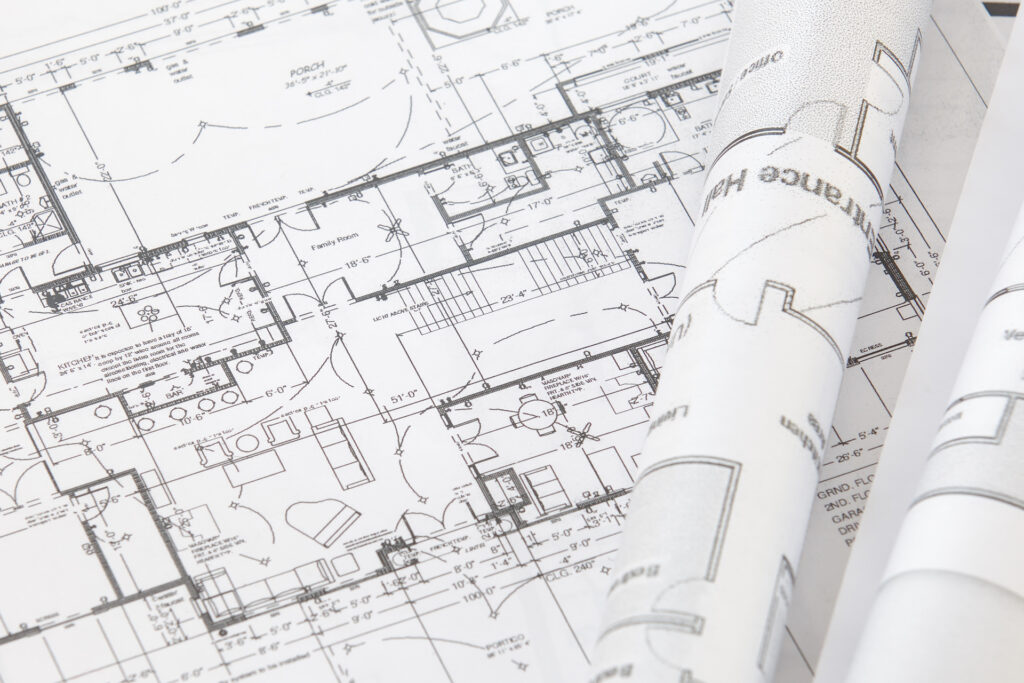
Architectural planning is a detailed process that shapes how a project comes together long before construction begins. It goes beyond sketching beautiful designs; it requires a clear understanding of client goals, effective collaboration, and compliance with regulations. In this article, we’ll share how long the process can take and the factors that influence its duration.
Typical Architectural Planning Timelines
Time frames can vary depending on the specifics of the project, but general ranges help set expectations. Small residential projects, such as renovations or extensions, can take 3 to 6 months. Larger projects that involve structural changes or fully custom homes typically require 4 to 8 months.
Factors That Impact Architectural Planning Timelines
The length of architectural planning depends on a number of factors.
Project Size and Complexity
Naturally, the size and complexity of a project play a major role. A small residential renovation takes less time than a large-scale renovation or a new build. The intricacy of architectural design elements can also extend the planning stage.
Client Requirements and Expectations
A well-defined vision helps keep the process moving. Time spent early on clarifying goals leads to a smoother experience later. When expectations are clear, decisions are easier to make, and the design process becomes more efficient. An architect helps refine those goals to support better outcomes.
Site Conditions
Site conditions and environmental factors influence the planning process, particularly for new builds. The right housing infrastructure needs to be in place. Utilities like water, electricity, and sanitation need to be considered and planned early on.
Building Permits
Securing building permit approvals from local authorities can be time-consuming. Designs must comply with zoning requirements and building codes of their jurisdiction. Each submission undergoes a formal review. Planning ahead and submitting complete, accurate applications can help mitigate delays.
Design Sign-Off
A good architect meets project expectations early, but designs can evolve as details are refined. Revisions and feedback are part of the process before final approval.
Start Your Project With a Clear Plan
Architectural planning sets the direction for everything that follows. Taking the time to get it right leads to a smoother build, fewer surprises, and a result that feels intentional from the inside out. The custom home architects at Mitchell Wall Architecture & Design approach each project with a focus on clarity, collaboration, and thoughtful design.
If you’re ready to move forward with a project, schedule a free consultation! Our team will shape your space so it aligns with your goals and supports how you live.