Design Elements That Never Go Out of Style
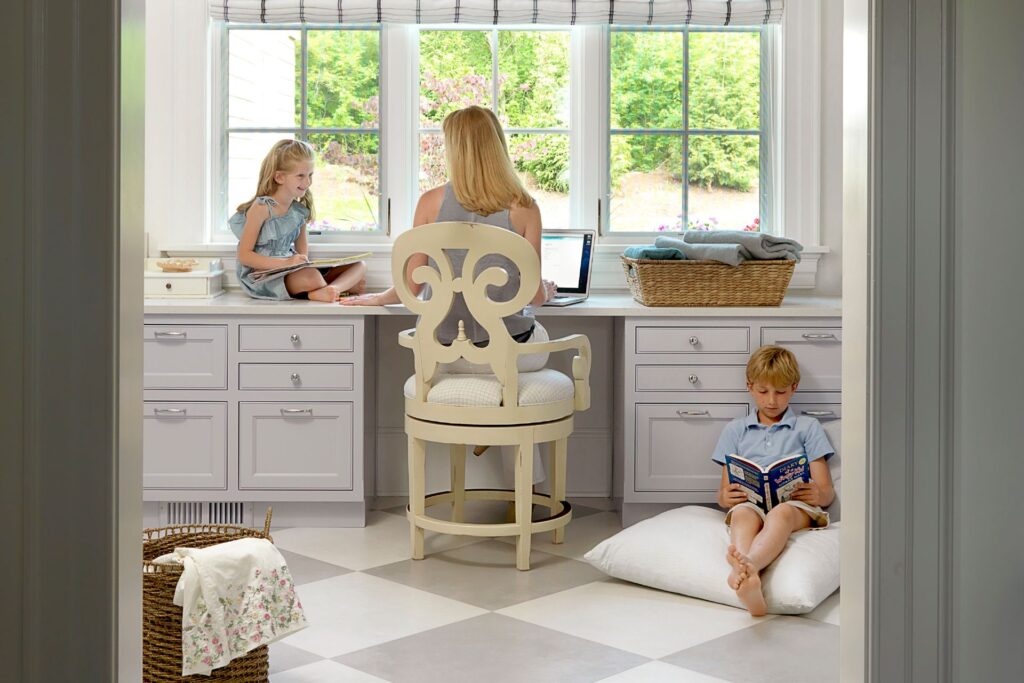
Some design elements never feel tied to a specific era. These product and material choices made of quality craftsmanship date back centuries, have adapted over time, and still show up in homes today. Instead of making a space feel dated with particle board, using gorgeous real wood will do the trick. Below are more detailed examples of timeless design.
Classic Millwork
Traditional millwork, trimwork, and other classical architectural details have a lasting presence. They reflect what’s found in historic homes and buildings, which naturally carries a sense of familiarity and value.
Subtle shifts in how those details are used can make them feel current without losing that foundation. The vertical lines of shiplap give wainscoting, a term used as early as the 14th century, a more updated feel while still referencing traditional design. A solid wood spindle staircase or the molding around door frames follows the same approach.
Beautiful Windows and Doors
Windows and doors play a major role in how a space comes together. Cheap hollow-core doors and vinyl windows may serve a purpose, but they don’t offer the same longevity.
Pieces made by a carpenter or woodworker, especially those with detailed glasswork, metal accents, or arches, bring a level of craftsmanship that holds up over time. Dutch doors, used since the 17th century, and metal framed windows, popularized in the 19th century, are more designs that continue to work well today.
Eclectic Salon Walls
A well-done salon wall is always in style. The concept, now called a gallery wall, dates back to 17th century formal art salons in France. Walls were packed with as much work as could fit, inspiring viewers to take in all they could.
In homes today, gallery walls often contain a mix of photos, heirlooms, and thrifted art in different frames. The mismatched nature is part of what makes it feel personal, showing what the homeowner values. It can continue to evolve as new pieces are added.
Checkerboard Tile Floors
Marbled checkerboard floors were a popular choice in European architecture during the Middle Ages, particularly in churches and cathedrals. It’s been used in the Palace of Versailles and 1950s American diners, and still used in homes today.
For a traditional look, people opt for marble tiles in black and white. Whether laid in a straight format or on a diagonal, it creates the look of a larger, more stately room, making it a popular application for foyers, hallways, and kitchens.
Solid Wood Farmhouse Tables
Farmhouse tables continue to be a staple, originating in 17th century rural Europe, built by local craftsmen using readily available materials like oak and pine.
These solid wood dining room tables are defined by their simplistic and robust design. As long as they have a long rectangular top, thick legs, and exposed wood grain, they can have four legs, a trestle, or pedestal. Farmhouse tables accommodate large family meals and communal activities, are practical and durable, and look even better with age.
Create a Home That Reflects Your Style
At Mitchell Wall Architecture & Design, every custom home project is approached with long-term value in mind. From material selection to architectural detail, each decision is made to reflect a high level of quality and ensure your home works for your lifestyle. Reach out to meet with a residential architect about designing a space that’s built to stand the test of time.