What Are the Steps of the Design Process?
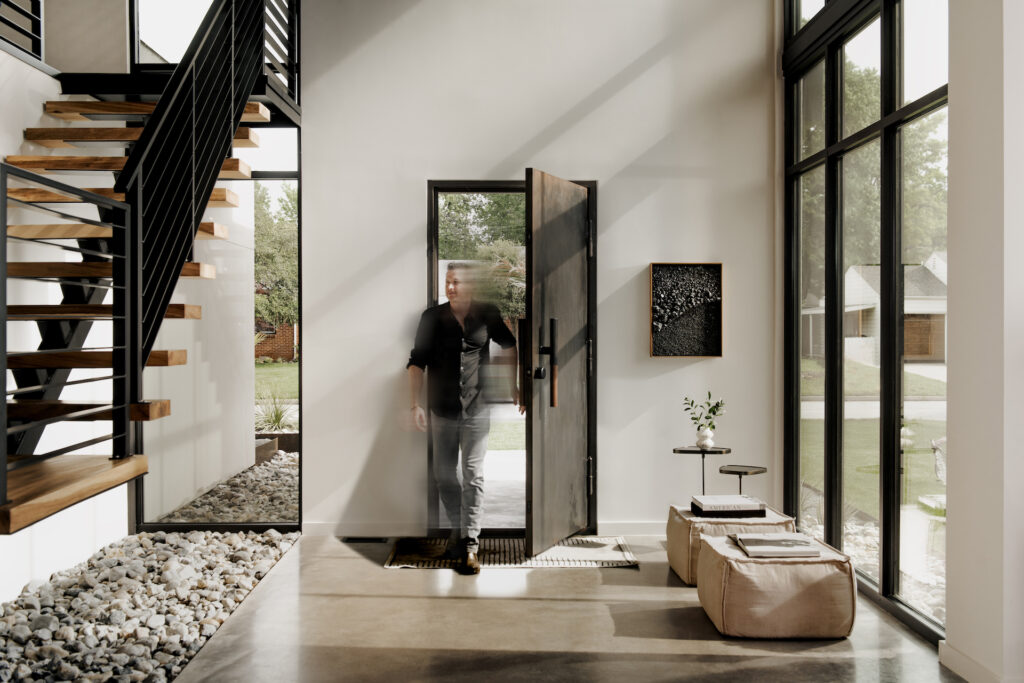
Designing a home or commercial building involves much more than creating floor plans and selecting finishes. A successful project follows a structured process that helps transform ideas into functional, well-designed spaces.
At Mitchell Wall Architecture & Design, every project follows a carefully planned timeline that helps bring a client’s vision to life. To help you know what to expect, our team has outlined the steps of the design process.
#1. Programming
The programming phase, also known as the pre-design phase, is for determining the scope of the work to be designed. Your architect will talk with you to gain an understanding of your problems, wants, and needs. This is also where preliminary research and analysis to determine a project’s feasibility and direction take place.
#2. Site Visit
A site visit gives architects the opportunity to evaluate the property and its unique characteristics. During this stage, your architect will observe factors that influence the design, such as views, topography, vegetation, and the sun’s position throughout the day.
The site itself can have a significant impact on the project’s direction. Features such as wooded areas, hills, flat terrain, and other existing conditions may present opportunities or limitations that need to be considered during the design process.
#3. Code and Zoning Analysis
Before design work begins, architects must review applicable zoning ordinances, building codes, and other requirements that may affect the project. These regulations can influence factors such as building height, setbacks, permitted uses, and construction materials. In some cases, neighborhood indentures or subdivision restrictions may impose additional limitations.
Analyzing these requirements early in the process helps identify potential restrictions and ensures the design can move through the review and permitting process without unnecessary complications.
#4. Schematic Design
During the schematic design phase, your architect begins developing design concepts based on the information gathered during programming, site analysis, and code and zoning review. This takes days, weeks, or months, as different possibilities are explored to determine the best solution for your project.
Once initial concepts have been developed, your architect will present them for review. Client feedback is an important part of this phase. If there are elements you would like to change, refine, or explore further, your input helps guide the design as it continues to evolve.
This step involves multiple meetings and revisions. With each discussion, the design becomes more closely aligned with your needs. When you are satisfied with the design, the project can move forward.
#5. Design Development
The approved design is refined with additional technical details to ensure dimensions are accurate and building elements are properly aligned.
At this stage, the project may transition to a drafter, whose role is to prepare detailed technical drawings and construction documents. This approach can also save the client money because drafting rates are lower.
Making Design Revisions
Even after the design has been approved, you may realize there are additional changes you would like to make. By this point in the project, however, even seemingly minor revisions can have a significant impact. Be thoughtful in your change requests and consider how they may affect the design process and project timeline.
Turn Your Vision Into Reality
A successful project begins with the right team. Backed by years of experience, the team at Mitchell Wall Architecture & Design guides clients through every phase of the design process with thoughtful planning, technical expertise, and personalized service.
From the first conversation to the final walkthrough, we are committed to creating spaces that are beautiful and tailored to your vision. When you’re ready to get started, contact us to schedule your consultation!