Sustainable Design That Actually Saves You Money
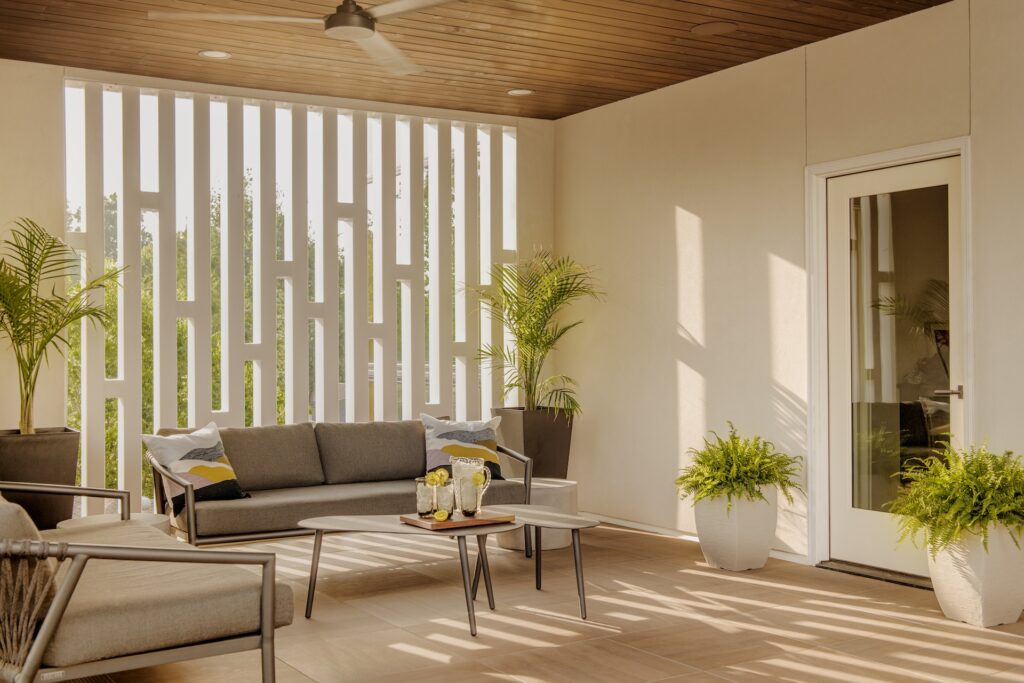
Sustainable design doesn’t have to mean expensive upgrades or complicated technology. At its core, it’s about building a home that runs efficiently. When materials last longer, and systems consume less energy, operating costs drop. The result is a home that is more comfortable to live in and more affordable to maintain.
Below are several design principles that lead to real savings.
Efficient Mechanical Systems Reduce Operating Costs
Heating and cooling account for a large share of expenses. Older systems waste energy and struggle to maintain consistent temperatures. Modern high-efficiency systems use less power while delivering better performance.
Heat pumps transfer heat, smart thermostats automatically adjust temperatures, and HVAC zoning directs heating and cooling only to the rooms that need it. Together, they maintain comfort without overworking equipment.
Plus, better ventilation and filtration create a healthier environment, another long-term benefit.
A Tight Building Envelope Prevents Energy Loss
Even efficient heating and cooling systems struggle if air constantly escapes. A tight building envelope is a highly sealed exterior shell composed of walls, roof, foundation, windows, and doors that minimize air leakage. This continuous thermal barrier between indoors and outdoors lowers the energy required to maintain comfortable temperatures year-round.
It also limits unwanted moisture, helping protect insulation and structural materials from damage. Controlling moisture reduces the risk of mold growth, wood rot, and material deterioration that can lead to expensive repairs.
Modern Lighting and Appliances Save Money
Every light fixture and appliance contributes to monthly utility costs. Modern LED lighting and high-efficiency appliances reduce power consumption without changing how the home functions.
LED fixtures use a fraction of the energy of traditional bulbs and last significantly longer. Thoughtful lighting design combines task, ambient, and accent lighting, allowing homeowners to use only what they need in the moment instead of illuminating an entire room.
Smart refrigerators can feature sensors that adjust cooling based on when the door is opened and closed. Dishwashers and laundry machines built to modern efficiency standards use less water while maintaining the performance homeowners expect.
Passive Design Works With the Environment
Passive design strategies reduce the amount of energy a home needs in the first place. Window placement, shading elements, and thermal mass work together to regulate temperature naturally.
South-facing windows receive the most direct sunlight in winter, which serves as a natural heat source. In the summer, overhangs, awnings, and shade from surrounding trees help block excess heat, keeping the home more comfortable. Meanwhile, thermal mass materials such as concrete, brick, stone, and tile absorb and store heat, releasing it slowly as indoor temperatures shift.
Come to Mitchell Wall for Your Next Project
Looking to design a home that’s energy-efficient, beautiful, and built to last? Partner with the experts at Mitchell Wall Architecture & Design, your St. Louis architecture firm. Our team works with homeowners to make thoughtful design decisions that reduce operating costs and improve how a home functions.
When you’re ready to invest in a quality custom home, give us a call at (314) 576-5888 or contact us online! Let’s design a home that’s built for the way you live.