Functional Homes Start With How You Live
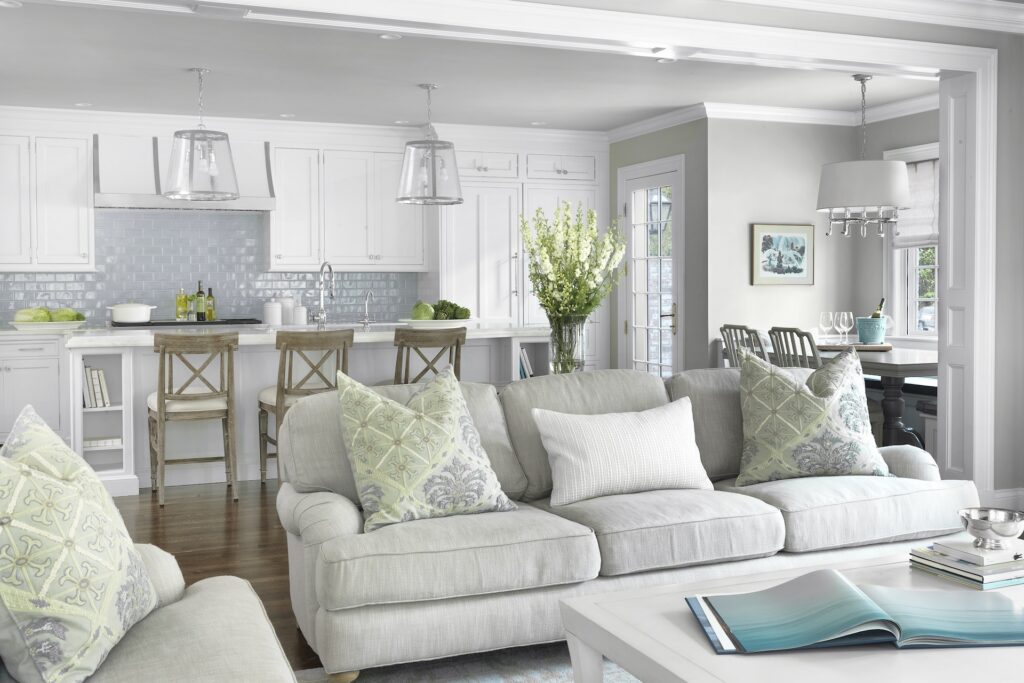
A beautiful home is important, but beauty alone does not make a space successful. A well-designed home should support the routines, habits, and priorities of the people who live there. When architecture reflects daily life, spaces feel intuitive to use and comfortable to live in.
Understanding How a Household Uses Its Space
Functionality begins with understanding how a home is used throughout the day. Residential architects discuss daily routines with homeowners, including morning habits and how evenings unfold, to determine how rooms should function and connect.
For instance, a crowded entry may signal the need for a mudroom with built-in storage. A kitchen that feels isolated from gathering spaces may limit how people interact while cooking or hosting.
By knowing how people move through their day and where frustrations arise, architects can adjust layouts so spaces work together more naturally. Circulation improves, storage appears where it is actually needed, and rooms support the activities that take place there.
Features That Make a Home Functional
While functionality varies by household, certain features consistently help spaces operate more smoothly.
Built-ins offer storage and style without sacrificing space. Think of pull-out shelves in the kitchen, a built-in wet bar concealed behind doors, or an alcove above a built-in desk.
Durability and how easy something is to clean are other factors. For instance, quartz countertops are significantly more durable than marble. As an engineered stone, quartz is non-porous and resistant to stains and scratches.
Planning for How Life Changes
Designing a functional home also means thinking beyond how the space works today. Households evolve, and the way a home functions often needs to change along with them.
Parents with young children often prioritize open areas so they can easily supervise daily activities. A kitchen that opens to a living room allows parents to cook while still keeping an eye on kids playing nearby.
When parents become empty nesters, rooms can evolve again. A playroom can turn into a workout space, a bedroom can become a home office, and shared living areas take on a new role when adult children come back to visit for the holidays.
Design a Home That Works for You
Daily routines, long-term needs, and the way a household uses each space all deserve thoughtful consideration. Since opening in 1976 in St. Louis, Missouri, Mitchell Wall Architecture & Design has created homes that are just as beautiful and high-end as they are functional for clients.
From shaping the overall layout to refining the details that support everyday life, our expert architects design every element with purpose. Contact us today to begin designing a home that works for the way you live.